
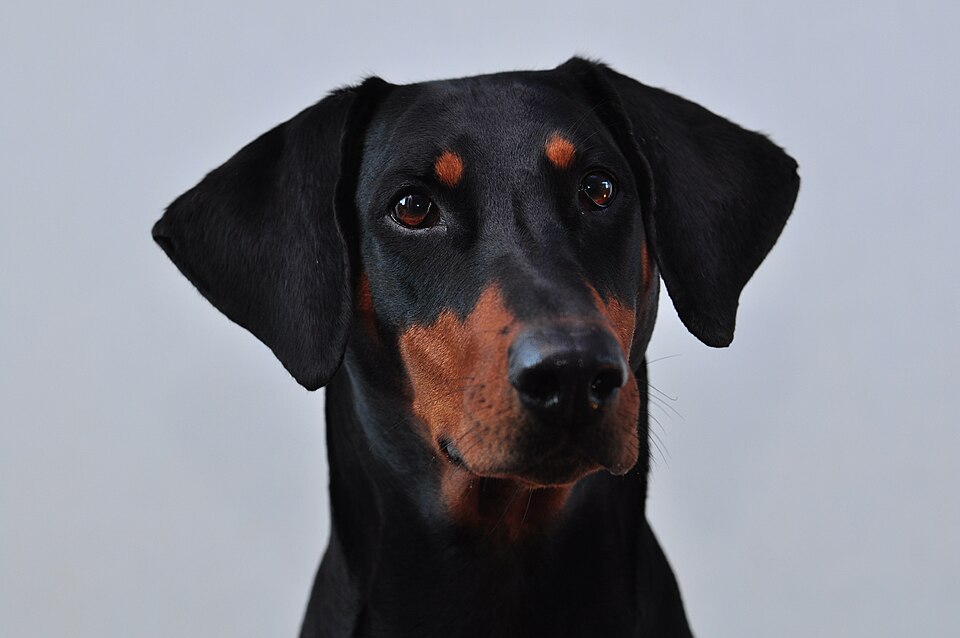
What the terms mean
Ear cropping removes part of the external ear; tail docking removes part of the tail. These are physical alterations, not routine grooming. A photograph cannot tell you why a dog underwent a procedure. Ask for its veterinary records rather than drawing conclusions about its owner.
Read the evidence: WSAVA: cosmetic alteration
Put welfare before appearance
WSAVA opposes physical alterations for cosmetic or behavioral-control reasons. AAHA also opposes cropping or docking for cosmetic or breed-standard purposes. These are veterinary welfare positions, not a statement of the law in every location.
Read the evidence: WSAVA: welfare position · AAHA: cropping and docking position
Separate treatment from a cosmetic request
WSAVA distinguishes medically necessary treatment, such as tail surgery for injury or disease, from cosmetic alteration. It calls for a veterinarian, appropriate anesthesia and pain control when surgery is medically necessary. Discuss the specific reason, alternatives and recovery with the treating veterinarian. This guide does not provide cutting, banding, posting or surgical instructions.
Read the evidence: WSAVA: medically necessary surgery
Check the rules that apply to your situation
Before making arrangements, identify the country and state or region involved. Ask the relevant veterinary regulator or official authority about current requirements, and check the specific organizer if entering an event. Record the source and date. Do not assume a breeder’s statement, an old forum post or a breed standard establishes what is permitted.
Care for the dog you have
For a dog with a previous procedure, bring available records to the veterinarian and ask what follow-up is needed. Describe concerns rather than attempting to reshape ears or manage a surgical wound from an online tutorial. When adopting, include dogs with intact ears and tails in your search and compare their individual care needs.
Your practical checklist
Use this checklist here, or print it to keep with your notes.
Notes for your next step
Add a brief note beside each task, then print this guide. These notes stay in this page and are not saved or sent.
Common questions
Does a breed standard establish local law?
No. Check current official requirements for the relevant location; event eligibility is a separate question.
Can I follow an online cropping or docking tutorial?
Do not attempt these procedures yourself. Discuss medical concerns with a veterinarian.
Questions for your decision
- Illustrative adoption question
- A listing shows cropped ears but gives no surgical history. Ask for records; the image does not establish the reason or quality of care.
- Before a decision
- Write down the purpose, veterinary recommendation, alternatives and official requirements.
- Existing procedure
- Use the treating veterinarian’s follow-up plan and describe concerns at the consultation.