
Life with a Doberman
Doberman grooming: simple care, comfortable handling
Build a practical routine for your Doberman’s short coat and everyday care. Start with handling your dog can comfortably accept.
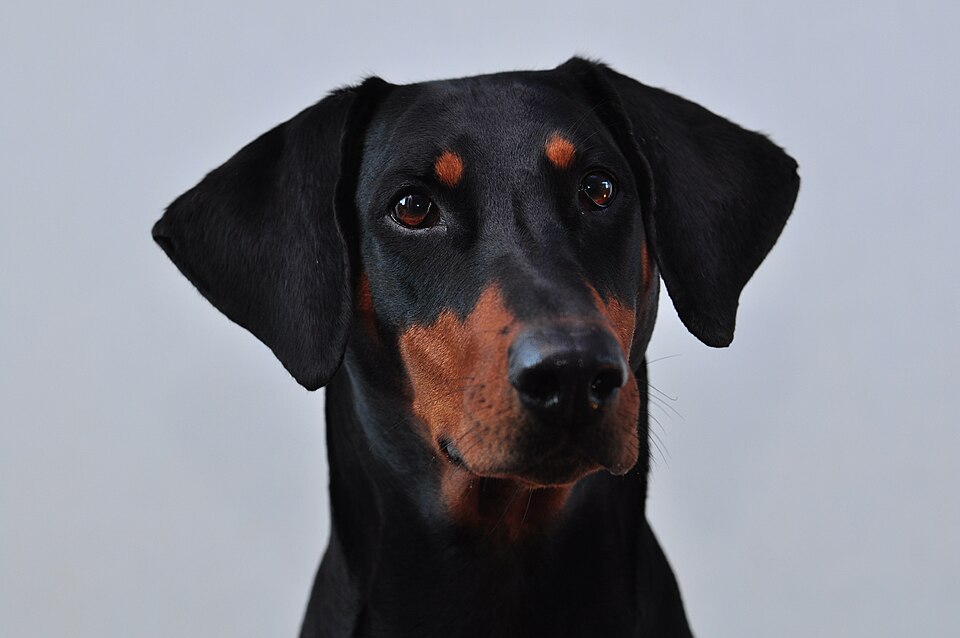
A useful place to begin
Bathing your Doberman comfortably
Prepare the space, choose an appropriate dog product and keep the experience manageable. Bathing frequency depends on your dog and the reason for the bath.
Read the guide↗Brushing and shedding care for your Doberman
Use gentle, suitable tools for a short coat, keep handling comfortable and record changes that routine brushing cannot explain.
Read the guide↗Doberman nail care: handling first, trimming second
Build comfort with paw handling and tools. Ask for a professional demonstration before trimming if you cannot confidently identify a safe approach for your dog.
Read the guide↗A grooming schedule built around your Doberman
Plan tasks around observed need, comfortable handling and professional instructions. A useful schedule helps you notice changes; it does not impose the same bathing or nail-trimming interval on every dog.
Read the guide↗Doberman ear care: observe first, clean only with a suitable plan
Comfortable external observation is different from treating an ear problem. New odor, discharge, redness or pain needs veterinary advice rather than a stronger cleaner or an improvised home remedy.
Read the guide↗Doberman dental care: build comfortable brushing and arrange assessment
Gradual home brushing supports care between veterinary assessments. Choose suitable dog products and comfortable handling; toys or chews do not establish that a mouth is healthy or replace professional evaluation.
Read the guide↗Doberman paw care: comfortable checks after everyday activity
Notice changes in pads, nails and movement without forcing handling. Surface conditions and your dog’s response matter more than a universal temperature rule or a product’s protective promise.
Read the guide↗
Start with the task your dog needs
A coat check, a brief brush and a bath are different tasks. Choose the useful task today rather than completing a long list because a calendar says so. Gather equipment first, choose a stable surface and provide a way for your dog to take a break.
Make handling part of the routine
Introduce the sight and sound of tools before using them. Practice a comfortable touch without restraining your dog into a longer session. A quiet dog can still be uncomfortable; observe movement, posture and whether your dog chooses to stay nearby.
Separate routine care from a concern
Short coats still need observation. Note a new area of irritation, broken skin or an unexpected change and discuss it with a veterinarian. Grooming can help you notice a problem, but photographs and a brush cannot diagnose its cause.
Use the connected care guides
Start with brushing if you are building a simple routine. Read the bathing guide before choosing products and preparing the space. Nail care is a separate handling skill; seek a professional demonstration if you are unsure about the tool or the safe amount to trim.
Your practical checklist
Use this checklist here, or print it to keep with your notes.
Notes for your next step
Add a brief note beside each task, then print this guide. These notes stay in this page and are not saved or sent.