Look at more than one signal
Notice body position, movement, facial tension and whether the dog approaches or moves away. Consider what is happening nearby. A still dog is not automatically relaxed, and a moving tail does not by itself establish that contact is welcome.
Describe before interpreting
Use ordinary observations such as “turned away when the visitor reached forward.” Keep the explanation as a question rather than a certainty. This gives a veterinarian or behavior professional usable context without attaching a label unsupported by the event.
Respect a request for space
If your dog moves away or appears uncomfortable, pause the interaction and provide space. Do not follow to force contact or punish warning behavior. Children need adult supervision and practical separation; teaching them signal names does not replace those arrangements.
Watch for changes and seek help
Compare with the dog’s usual behavior and consider recent changes in the environment. New handling sensitivity or another sudden change deserves a veterinary discussion. Seek qualified support when you are uncertain about safety rather than trying to prove an interpretation through repeated encounters.
Two observation examples
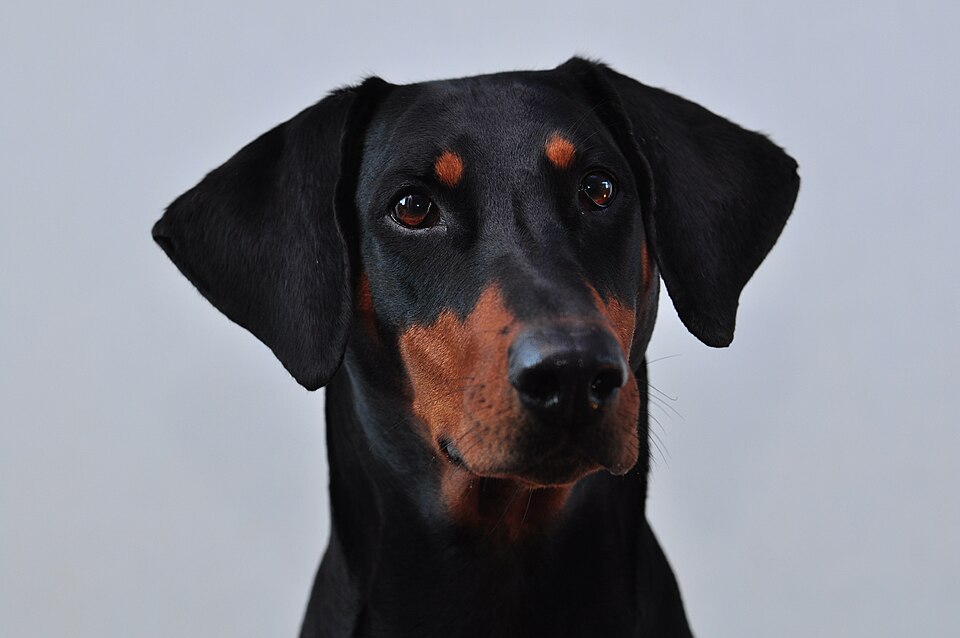
In the first illustrative scene, a dog approaches a familiar person loosely and can leave. In the second, it turns away as a hand reaches toward it. Record the approach or withdrawal and the surrounding activity. These examples show what to observe; they do not certify either situation as safe.
Your practical checklist
Use this checklist here, or print it to keep with your notes.
Notes for your next step
Add a brief note beside each task, then print this guide. These notes stay in this page and are not saved or sent.